
Background: A Retired Pro’s Obsession
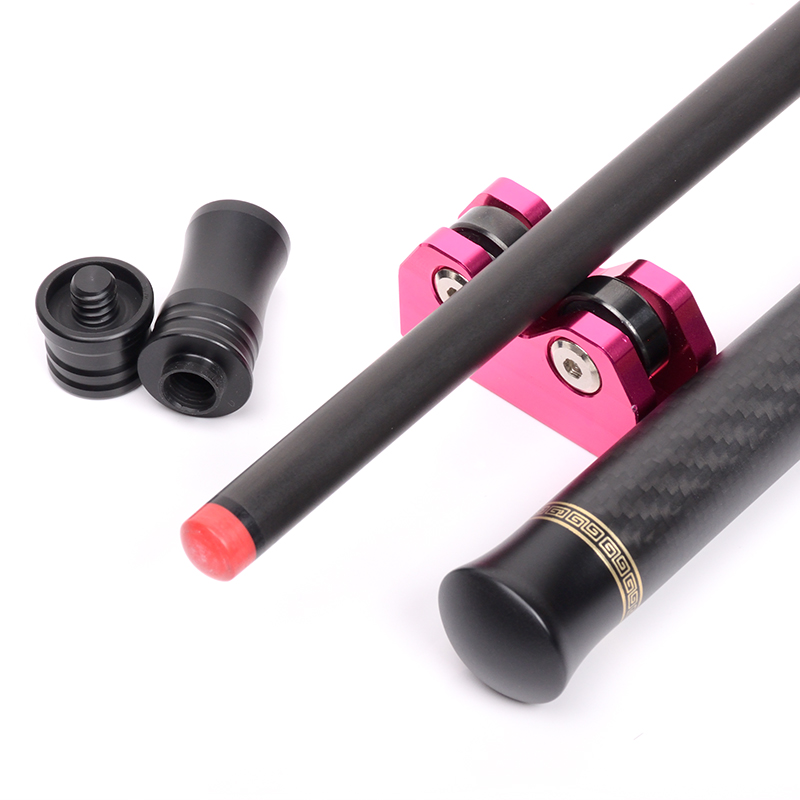
In early 2024, we received an inquiry from James, the founder of a rising billiard brand based in California. A retired professional 9-ball player, James had long struggled with a frustrating reality: natural maple shafts feel great, but every batch of wood is different. Density, grain, stability — you might find one “magic stick” out of ten, if you’re lucky.
He wanted a full carbon fiber cue — shaft and butt both made of carbon — but with a feel that came as close as possible to top-tier maple. He had already tried two other carbon fiber shops:
- The first one made a shaft that was too stiff and too harsh. After two hours of practice, his arm felt numb. Unplayable for a pro.
- The second one delivered a butt with poor surface finish and misaligned logos — not even close to exhibition quality.
“This is going to be my tournament cue, and the first product of my brand,” James told us over video call. “If this doesn’t work, I’ll just go back to picking through wood blanks.”
The Setbacks: Two Samples, Two “Not Quite Right” Responses
We took the project, but it wasn’t smooth.
First sample: We sent it out. After two days of testing, James came back: “The ball feels like it’s being ‘popped’ off the tip, not ‘delivered.’ It’s too carbon-like. Feels like hitting with a metal pipe.”
We went back, reworked our approach, and focused specifically on how the cue transmits feedback. Second sample went out. This time, James’s response was better — but he still had a problem:
“The shaft feels much better now, but the grip of the butt and the overall balance still feel… off. I can’t tell you exactly what’s wrong, but it just doesn’t feel right after an hour of play.”
By this point, nearly two months had passed. James’s patience was wearing thin. Then came a message that made our hearts sink:
“Maybe carbon fiber just can’t do what wood does. Let’s call it off.”
The Turning Point: A Late Night in the Workshop
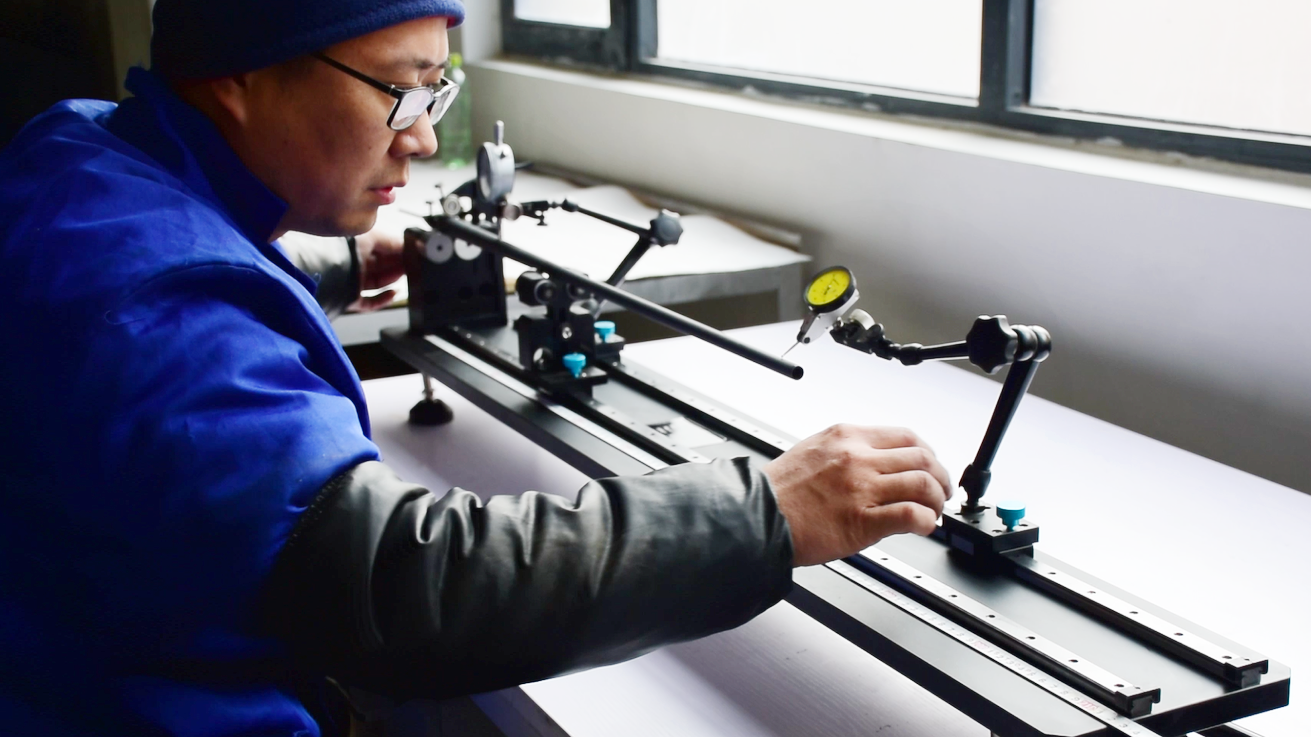
Just as the team was feeling discouraged, our production lead came up with an idea. Instead of rushing to tweak numbers, he put James’s two rejected samples on the table alongside a few of the finest maple cues we had collected over the years. Then he called in our veteran shop technicians — men who have handled thousands of cues but never read a single data sheet — and asked them to do a blind test.
They couldn’t quote stiffness coefficients or vibration frequencies. But they said something much more useful:
“This one hits too harsh. Wood hits soft but firm — there’s a curve to it.”
That simple observation reframed everything. The problem wasn’t about making carbon “stronger” or “lighter.” It was about the shape of the power transmission curve.
We didn’t claim to have an answer overnight. Instead, we formed a small team and spent the next three weeks iterating — adjusting, testing internally, then adjusting again. Every time we made a change, we had players of all levels (beginners to semi-pros) do blind comparisons.
When we finally sent out the third sample, James went silent for five days.
The Result: A Video Sent at 3 AM
On the fifth day, we received a video from James. It was filmed in his home practice room at 3 AM. In the video, he set up the same cue ball, aimed at the same angle, and struck it over and over — twenty times in a row.
No music. No voiceover. Just shot after shot.
And we could clearly see: every single cue ball rolled to almost exactly the same spot.
Then came his message:
“I played for an hour and a half. No arm fatigue. The control feels exactly like the best maple cue I ever had. How did you guys do it?”
We replied: “Our old techs wouldn’t let us give up.”
What Happened Next
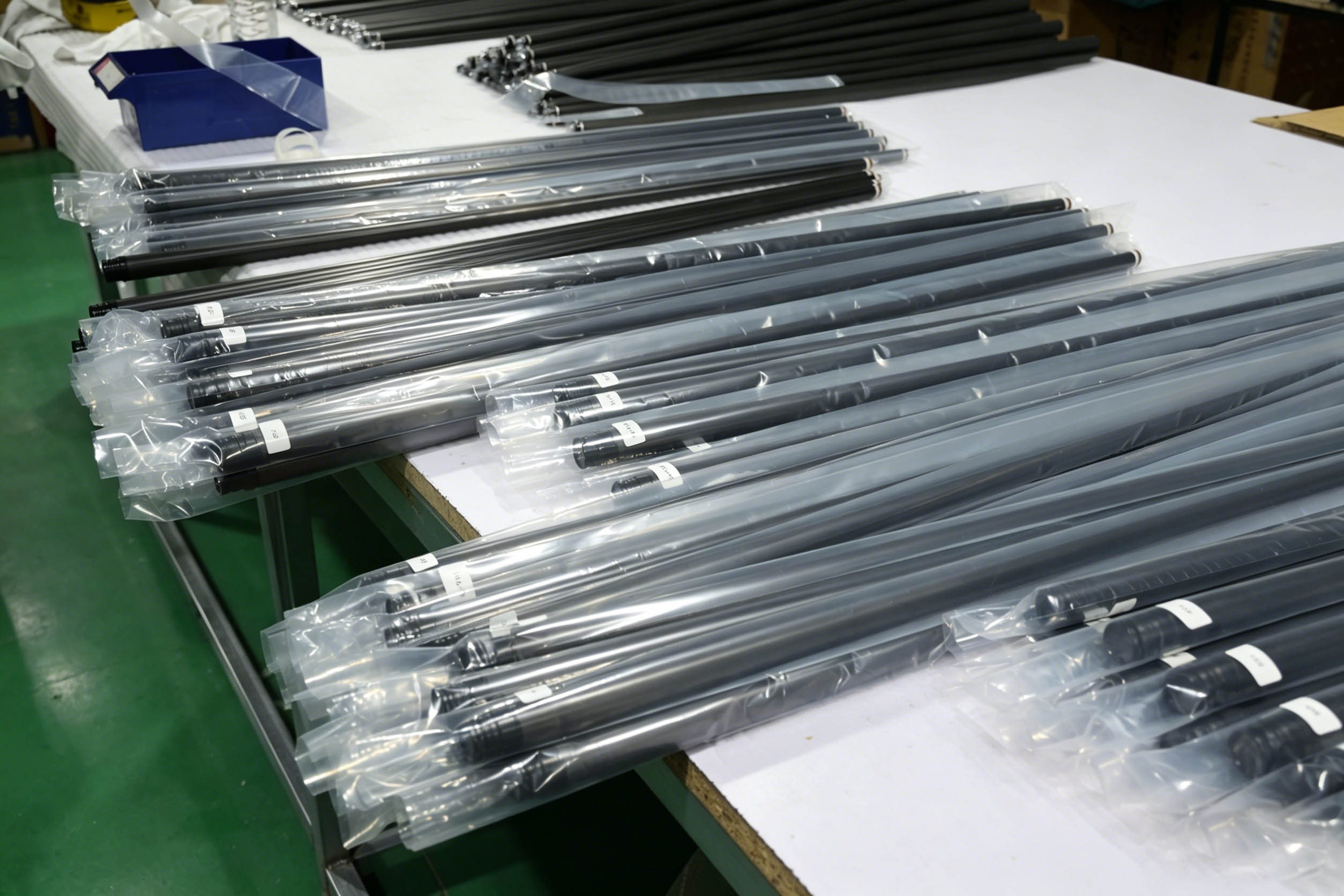
- First trial order: 100 sets for the brand’s launch and small-batch testing.
- Market response: James introduced the cue at an industry show in Las Vegas. Within three days, he had collected pre-orders far beyond his initial forecast.
- Follow-up agreement: Three months later, the two parties signed an annual supply agreement. This model became the flagship product of James’s brand.
- Pro player validation: Several of James’s sponsored players voluntarily switched to this cue during training. Their feedback all came down to the same line: “It doesn’t feel like carbon. It feels like a perfect maple cue.”
James later wrote to us in an email:
“I thought working with a factory was about price and lead time. You guys showed me what it means to actually understand a product. This cue wasn’t manufactured — it was dialed in, together.”
What This Case Taught Us
- What customers really need isn’t the “strongest” cue — it’s the most natural-feeling cue. That’s the hardest thing to describe with data, and the part that depends most on accumulated experience.
- Two failures don’t matter. What matters is finding the right direction from each failure.
- Veteran shop technicians are the best R&D advisors. They may not speak the language of specs, but they know how things should feel.
What We Can Do for You
If you’re struggling with the feel, consistency, or custom requirements of carbon fiber billiard cues — or any carbon fiber product for that matter — reach out. We may not get it right on the first try. But we have the patience, the experience, and the willingness to stay in it with you until it feels right.
Post time: Apr-22-2026